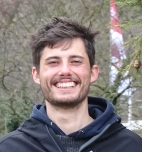
 Paul Minier
is a doctoral student with a background in hydrobiology (Master Quest from Besançon). During his professional experience, he has specialized in the field of on-site sanitation.
Thesis title
: Biological and environmental health impacts of fecal matter management methods: analysis of the contribution of sewerage systems to hygiene and the potential of separation at source
Co-supervisors
: Konstantinos Chatzis (LATTS), Bruno Tassin and Fabien Esculier (LEESU)
Abstract
: Separating urine and fecal matter at source can help limit pollution of different environmental compartments (air, soil, water) and recover the resources they contain (food security, energy). Urine recovery methods have already been studied, notably in the OCAPI research program, but the agronomic and energy benefits of feces have been the subject of little research. Unlike urine, feces can be used to improve soil quality by recycling nutrients in organic form.
However, in the Western world, the recovery of fecal matter is subject to even stronger socio-technical and cultural barriers than urine. In addition to the historical dependence on sewerage systems, one of the obstacles to the use of fecal matter is the risk of pathogen transmission.
The aim of this thesis is to study the biological and environmental health impacts of different methods of fecal matter management, examining the emergence and spread of sewerage systems in comparison with other methods of management.
The transmission of fecal-oral diseases will be studied in large European cities, before and after the implementation of sewerage systems, in order to determine the specific contribution—positive or negative—of flush toilets, sewerage transport, and the discharge of pathogens into rivers to the spread of these diseases. This contribution will be compared in particular with transmission vectors linked to drinking water and hand hygiene.
A survey of alternative fecal management systems will be conducted and these will be analyzed in terms of their microbiological risk and the spread of micropollutants. This analysis should enable a comparative biological and environmental health assessment of sewerage systems to be carried out in relation to past and emerging source separation systems.
Summary: The source separation of urine and feces can limit pollution of various compartments of the environment (air, soil, water) and enhance the resources they contain (food security, energy). Urine recovery channels have already been studied, particularly in the OCAPI research program, but the agronomic and energy interests of faeces have been the subject of little research. Faeces, unlike urine, can provide soil amendment, recycling nutrients in organic form. However, the valuation of faeces is subject in the Western world to a socio-technical and cultural lock even stronger than urine. In addition to the historical dependence on the sewer path, one of the obstacles to the use of faeces is the risk of pathogen transmission. The aim of this thesis is to study the biological and environmental health impacts of the different modes of faeces management, by questioning the emergence and then the diffusion of the sewerage network with regard to other modes of management. The transmission of fecal-oral diseases will be studied in the case of large European cities, before and after the installation of the sewage system, in order to determine the specific contribution—positive or negative—of the flush toilet, from transport by sewer and discharge of pathogens into rivers, to the spread of these diseases. This contribution will in particular be compared with the vectors of transmission linked to drinking water and hand hygiene. An inventory of alternative fecal matter management channels will be carried out and these will be analyzed with regard to their microbiological risk and the spread of micropollutants. This analysis should make it possible to carry out a comparative health, biological, and environmental assessment of the sewerage system with regard to past and emerging source separation channels.